Results For "vitamin c serum difference"
Vitamin C serum is a skincare product rich in antioxidants that helps brighten the skin, reduce signs of aging, and improve overall skin texture. It is commonly used in skincare routines for its numerous benefits.


![[COSRX Official] The Vitamin C 13 Serum (20ml) | GENTLE, DAILY VITAMIN C SERUM FOR DARK SPOTS, DULL SKIN](https://p16-oec-general-useast5.ttcdn-us.com/tos-useast5-i-omjb5zjo8w-tx/a196c4b589334d729cabf46950944b18~tplv-fhlh96nyum-crop-webp:300:300.webp?dr=12190&t=555f072d&ps=933b5bde&shp=8dbd94bf&shcp=a6e80448&idc=useast5&from=2378011839 "[COSRX Official] The Vitamin C 13 Serum (20ml) | GENTLE, DAILY VITAMIN C SERUM FOR DARK SPOTS, DULL SKIN")
COSRX US

4.5
5.1K sold
-48%$12.90$25.00


![[COSRX Official] The Vitamin C 23 Serum (20ml) | HIGHLY-CONCETRATED & STABILIZED PURE VITAMIN C, KOREAN SKINCARE, Age Spot Brightening Hyaluronic Acid](https://p16-oec-general-useast5.ttcdn-us.com/tos-useast5-i-omjb5zjo8w-tx/c676b46c2cb84fa2a1327815b3afabe4~tplv-fhlh96nyum-crop-webp:300:300.webp?dr=12190&t=555f072d&ps=933b5bde&shp=8dbd94bf&shcp=a6e80448&idc=useast5&from=2378011839 "[COSRX Official] The Vitamin C 23 Serum (20ml) | HIGHLY-CONCETRATED & STABILIZED PURE VITAMIN C, KOREAN SKINCARE, Age Spot Brightening Hyaluronic Acid")

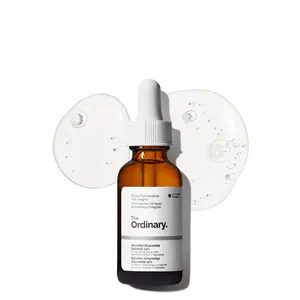
The Ordinary Store
4.7
1.4K sold
$14.80


![[NEW] Vitamin C 20 Serum 0.34 Fl. Oz. / 10ml Skin Radiance 20 Pure Vitamin C, Lightweight Non-Sticky Face Serum for Sensitive Skin iKorean Glass Skin Care](https://p19-oec-general-useast5.ttcdn-us.com/tos-useast5-i-omjb5zjo8w-tx/8193a36a9955436d900a627d2323fad9~tplv-fhlh96nyum-crop-webp:300:300.webp?dr=12190&t=555f072d&ps=933b5bde&shp=8dbd94bf&shcp=a6e80448&idc=useast5&from=2378011839 "[NEW] Vitamin C 20 Serum 0.34 Fl. Oz. / 10ml Skin Radiance 20 Pure Vitamin C, Lightweight Non-Sticky Face Serum for Sensitive Skin iKorean Glass Skin Care")


![[TIRTIR Official] Pure Vitamin C24 Serum - Brighten Skin Tones, Korean Skin Care, Hydrating Radiance Repairing Dark Spots, Cica-7 Complex Soothes Irritation & Redness, Triple Collagen Improve skin Elasticity, Oil-based Serum](https://p16-oec-general-useast8.ttcdn-us.com/tos-useast8-i-rt0ujvrtvp-tx2/98d346b3db0241f3bf1d9a9e36272e4f~tplv-fhlh96nyum-crop-webp:300:300.webp?dr=12190&t=555f072d&ps=933b5bde&shp=8dbd94bf&shcp=a6e80448&idc=useast5&from=2378011839 "[TIRTIR Official] Pure Vitamin C24 Serum - Brighten Skin Tones, Korean Skin Care, Hydrating Radiance Repairing Dark Spots, Cica-7 Complex Soothes Irritation & Redness, Triple Collagen Improve skin Elasticity, Oil-based Serum")


![[𝔸𝕟𝕦𝕒] (OilCleanser + Cleansing Foam + Toner +Discoloration Serum + Calming Moisturizer) 50](https://p16-oec-general-useast5.ttcdn-us.com/tos-useast5-i-omjb5zjo8w-tx/1337cc5b8c244aecab4b6b8dcf11455c~tplv-fhlh96nyum-crop-webp:300:300.webp?dr=12190&t=555f072d&ps=933b5bde&shp=8dbd94bf&shcp=a6e80448&idc=useast5&from=2378011839 "[𝔸𝕟𝕦𝕒] (OilCleanser + Cleansing Foam + Toner +Discoloration Serum + Calming Moisturizer) 50")
Related Searches
Related Categories
Introduction
Vitamin C serum is a popular addition to many skincare routines, known for its ability to enhance skin radiance and combat signs of aging. When exploring the difference between various vitamin C serums, it's essential to consider factors such as concentration, formulation, and additional ingredients. Here are some key points to understand:
- Concentration: Vitamin C serums come in different concentrations, typically ranging from 5% to 20%. Higher concentrations can offer more potent effects but may also cause irritation for sensitive skin.
- Formulation: The stability and effectiveness of vitamin C can vary based on its formulation. Look for serums that use L-ascorbic acid, which is the most researched and effective form of vitamin C.
- pH Levels: The pH level of the serum can affect its absorption and efficacy. A lower pH is usually more effective, as it allows for better penetration into the skin.
- Additional Ingredients: Some vitamin C serums include other beneficial ingredients like hyaluronic acid, ferulic acid, or vitamin E, which can enhance the serum's overall effectiveness.
- Packaging: Vitamin C is sensitive to light and air, so choose serums that come in dark or opaque bottles to maintain stability.