Results For "modular vs non modular psu"
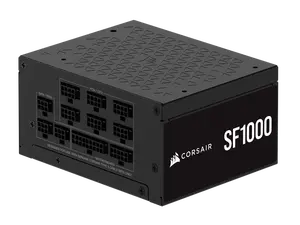
A modular power supply unit (PSU) allows users to connect only the cables they need, while a non-modular PSU has all cablnently attached. This distinction impacts cable management and airflow in a computer case.


Newegg, Inc.

5.0
10 sold
-6%$84.99$89.99

Newegg, Inc.
-11%$254.49$284.49


Newegg, Inc.
5.0
1 sold
-24%$158.99$208.99


Newegg, Inc.
5.0
94 sold
-13%$100.99$115.99

Newegg, Inc.
-5%$201.49$211.49





Related Searches
Related Categories
Introduction
When it comes to building or upgrading a computer, one critical component often overlooked is the power supply unit (PSU). Understanding the difference between modular and non-modular PSUs can significantly influence your system's performance and aesthetics. A modular PSU offers the flexibility to use only the cables you need, reducing clutter and improving airflow within your case. This can lead to better cooling and easier installation, making your build look neat and organized. On the other hand, a non-modular PSU comes with all cables hardwired, which may result in excess cables that can obstruct airflow and complicate cable management.
Choosing between modular and non-modular PSUs often depends on your specific needs and preferences. Here are some key points to consider:
Choosing between modular and non-modular PSUs often depends on your specific needs and preferences. Here are some key points to consider:
- Customization: Modular PSUs allow for tailored setups, as you can select the exact cables required for your components.
- Ease of Installation: With a modular PSU, installation can be simpler, as you won't have to deal with unnecessary cables.
- Airflow: A clean setup with fewer cables can enhance airflow, potentially leading to better cooling performance.
- Cost: Modular PSUs tend to be more expensive than their non-modular counterparts due to their added flexibility.
- Future Upgrades: If you plan on upgrading your components regularly, a modular PSU can be more advantageous.