Results For "is it safe to take 50000 iu vitamin d"
Vitamin D is a fat-soluble vitamin essential for maintaining healthy bones and supporting immune function. It can be obtained through sunlight exposure, certain foods, and dietary supplements.


Official Vitamatic

4.4
507 sold
$9.99


iHerb
5.0
41 sold
$20.13


Official Vitamatic
4.5
21 sold
$14.99


MaryRuth's
4.7
1.5K sold
-15%$21.21$24.95


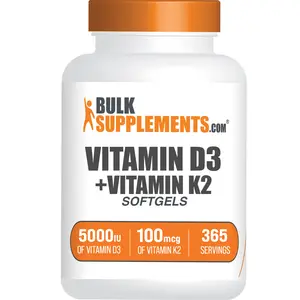
BULKSUPPLEMENTS
4.4
265 sold
$18.97


Nature Bell
4.5
5.5K sold
$36.95


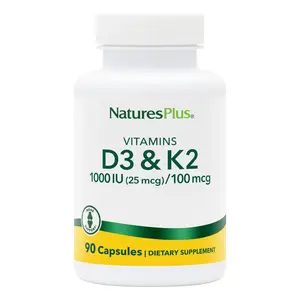

BULKSUPPLEMENTS
3.0
9 sold
$21.97


Related Searches
Related Categories
Introduction
Vitamin D plays a crucial role in overall health, and many people consider taking supplements to ensure they meet their daily requirements. However, one common question arises: is it safe to take 50,000 IU of vitamin D? This dosage is significantly higher than the typical daily recommendation, which is around 600 to 800 IU for most adults. High doses of vitamin D, such as 50,000 IU, are often prescribed for specific medical conditions, usually under the supervision of a healthcare professional. It's essential to understand that while vitamin D is vital for bone health and immune support, excessive intake can lead to toxicity and adverse health effects.
Before considering high doses, it's advisable to consult with a healthcare provider who can assess individual needs based on factors like age, health status, and existing vitamin D levels. Some potential benefits of adequate vitamin D include:
However, taking too much vitamin D can lead to symptoms such as nausea, vomiting, weakness, and serious complications like kidney damage. Therefore, it's crucial to approach supplementation with caution and seek professional guidance. Regular blood tests can help monitor vitamin D levels and determine the appropriate dosage for your specific needs. Remember, achieving a balance is key to maximizing the benefits of vitamin D while minimizing potential risks.
Before considering high doses, it's advisable to consult with a healthcare provider who can assess individual needs based on factors like age, health status, and existing vitamin D levels. Some potential benefits of adequate vitamin D include:
- Improved bone density
- Enhanced immune response
- Reduced risk of chronic diseases
However, taking too much vitamin D can lead to symptoms such as nausea, vomiting, weakness, and serious complications like kidney damage. Therefore, it's crucial to approach supplementation with caution and seek professional guidance. Regular blood tests can help monitor vitamin D levels and determine the appropriate dosage for your specific needs. Remember, achieving a balance is key to maximizing the benefits of vitamin D while minimizing potential risks.