Results For "3d print materials"
3D print materials refer to the various substances used in the 3D printing process to create objects layer by layer. These materials can include plastics, metals, ceramics, and more, each offering unique properties and applications, making them essential for both hobbyists and professionals in the 3D printing industry.


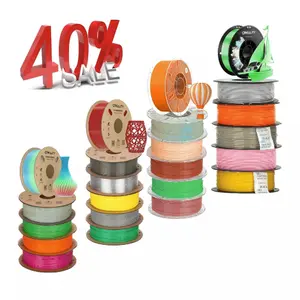


Creality official

4.8
908 sold
$18.99

Related Searches
Related Categories
Introduction
When it comes to 3D printing supplies, choosing the right 3D print materials is crucial for achieving high-quality results. The range of materials available today is vast, including PLA, ABS, PETG, and nylon, each catering to different needs and preferences. For instance, PLA is a popular choice for beginners due to its ease of use and eco-friendliness, while ABS offers greater durability for functional parts.
In addition to plastics, there are also specialty materials like TPU for flexible prints and resin for high-detail models. Understanding the properties of each material can help you select the best option for your project.
Moreover, advancements in 3D printing technology are leading to the development of innovative materials, such as composite filaments that combine plastic with wood or metal for unique finishes.
As you explore the world of 3D print materials, consider the application of your project, the desired finish, and the printer's capabilities. The right material can greatly enhance the functionality and aesthetic of your print, making it an essential factor in the overall success of your 3D printing endeavors.
Whether you are a hobbyist or a professional, staying informed about the latest trends and materials in 3D printing supplies will ensure you are always ready to create stunning and effective prints.
In addition to plastics, there are also specialty materials like TPU for flexible prints and resin for high-detail models. Understanding the properties of each material can help you select the best option for your project.
Moreover, advancements in 3D printing technology are leading to the development of innovative materials, such as composite filaments that combine plastic with wood or metal for unique finishes.
As you explore the world of 3D print materials, consider the application of your project, the desired finish, and the printer's capabilities. The right material can greatly enhance the functionality and aesthetic of your print, making it an essential factor in the overall success of your 3D printing endeavors.
Whether you are a hobbyist or a professional, staying informed about the latest trends and materials in 3D printing supplies will ensure you are always ready to create stunning and effective prints.