Results for "sodium ascorbate vs ascorbic acid"
Sodium ascorbate and ascorbic acid are both forms of vitamin C, essential for various bodily functions. Sodium ascorbate is the sodium salt of ascorbic acid, offering similar benefits but with different properties, especially in terms of acidity and absorption.


BULKSUPPLEMENTS

5.0
22 sold
$27.14


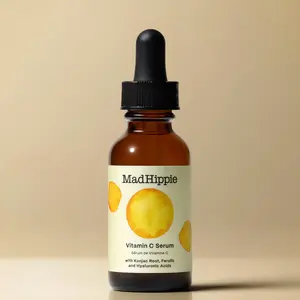
Mad Hippie
4.9
390 sold
-20%$28.91$36.14


![[SKINTIFIC] Pure Vitamin C Brightening Serum for face with 10% L-Ascorbic Acid, Fades Dark Spots, Evens Skin Tone, Boosts Radiance, Duo Chamber Fresh Lock Technology, Glow C + Brightenyl](https://p16-oec-general-useast5.ttcdn-us.com/tos-useast5-i-omjb5zjo8w-tx/3bcf4a7ebc4d49ef8305ae557aeba24f~tplv-fhlh96nyum-crop-webp:300:300.webp?dr=12190&t=555f072d&ps=933b5bde&shp=8dbd94bf&shcp=a6e80448&idc=useast5&from=2378011839 "[SKINTIFIC] Pure Vitamin C Brightening Serum for face with 10% L-Ascorbic Acid, Fades Dark Spots, Evens Skin Tone, Boosts Radiance, Duo Chamber Fresh Lock Technology, Glow C + Brightenyl")


SportsResearch
4.8
472 sold
-10%$25.43$28.25



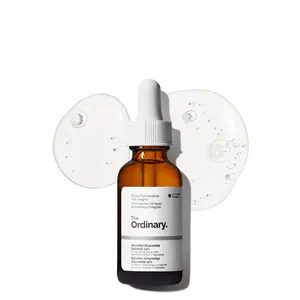
The Ordinary Store
4.6
1.6K sold
$16.80
Related Searches
Related Categories
Introduction
When it comes to vitamin C supplementation, many people wonder about the differences between sodium ascorbate and ascorbic acid. Both forms are effective sources of vitamin C, but they have distinct characteristics that may influence your choice.
Sodium ascorbate is a buffered form of vitamin C, meaning it is less acidic than ascorbic acid. This can make it a better option for individuals with sensitive stomachs or those who experience gastrointestinal discomfort with acidic substances.
Here are some key points to consider:
Sodium ascorbate is a buffered form of vitamin C, meaning it is less acidic than ascorbic acid. This can make it a better option for individuals with sensitive stomachs or those who experience gastrointestinal discomfort with acidic substances.
Here are some key points to consider:
- Buffering Effect: Sodium ascorbate is gentler on the stomach, making it suitable for those who struggle with acidity.
- Absorption: Both forms are well absorbed in the body, but sodium ascorbate may offer enhanced bioavailability for some users.
- Uses: Sodium ascorbate is often used in food products and supplements where a less acidic compound is preferred.
- Health Benefits: Both forms provide antioxidant protection, support immune function, and promote skin health.