medieval undergarments
Medieval undergarments refer to the clothing worn beneath the outer garments during the medieval period, primarily for comfort and modesty. These garments varied in style and material, often reflecting the social status and wealth of the wearer.
Featured brands
Authenticated productsVerified shops




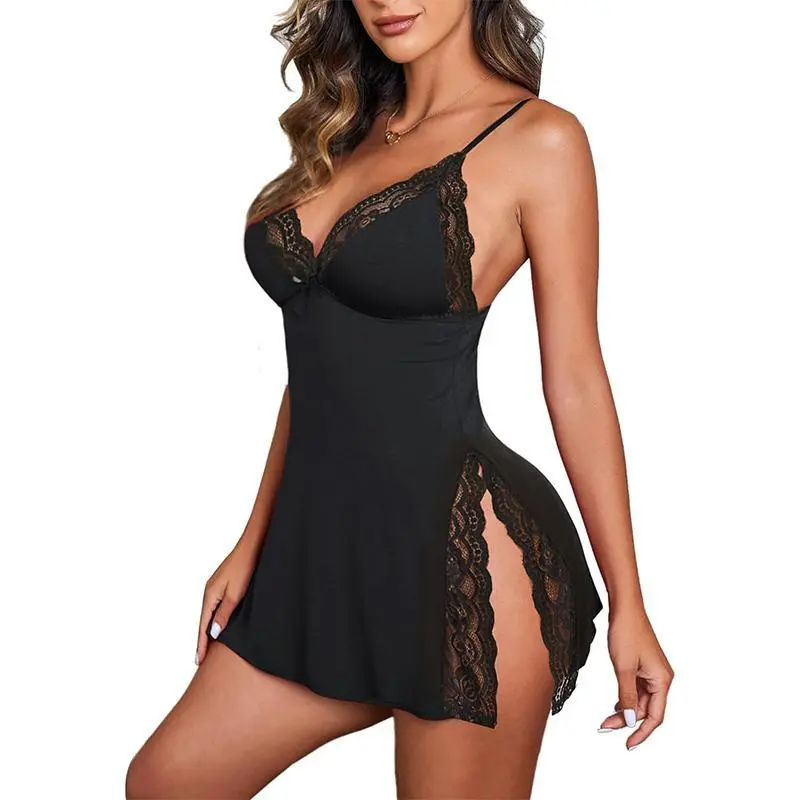


AVIDLOVE Boutique

4.4
3.5K sold
$31.99


3.7
133 sold
-60%$12.40$30.99


Related Searches
Related Categories
Introduction
Understanding medieval undergarments can provide fascinating insights into the fashion and lifestyle of the past. During the medieval period, undergarments were essential for both men and women, serving practical purposes while also reflecting societal norms. Typically made from linen or wool, these garments included shifts, chemises, and braies, which were the predecessors to modern underwear.
Medieval undergarments were designed for comfort and modesty, allowing for ease of movement beneath the heavier outer layers of clothing. Here are some key aspects to consider about these historical garments:
By exploring the world of medieval undergarments, one can appreciate the craftsmanship and cultural significance of clothing in history. These garments not only served practical needs but also played a role in the broader context of medieval fashion. Whether for research, reenactment, or personal interest, understanding these undergarments can enrich your knowledge of the medieval era and its customs.
Medieval undergarments were designed for comfort and modesty, allowing for ease of movement beneath the heavier outer layers of clothing. Here are some key aspects to consider about these historical garments:
- Materials: Linen was commonly used due to its breathability, while wool provided warmth.
- Styles: Women often wore long chemises, while men donned braies that resembled modern shorts.
- Layering: Undergarments were typically worn under layers of clothing, contributing to the overall silhouette and shape.
- Social Status: The quality and style of undergarments could indicate a person's wealth and social standing.
By exploring the world of medieval undergarments, one can appreciate the craftsmanship and cultural significance of clothing in history. These garments not only served practical needs but also played a role in the broader context of medieval fashion. Whether for research, reenactment, or personal interest, understanding these undergarments can enrich your knowledge of the medieval era and its customs.