Results for "gas for tig welding"
Gas for TIG welding refers to the specific shielding gases used in the Tungsten Inert Gas welding process, primarily argon and helium, to protect the weld area from contamination.
Featured brands
Authenticated productsVerified shops


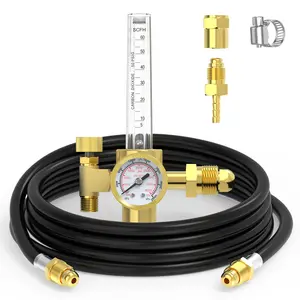
YesWelder Store

4.7
1.2K sold
$40.99


![[fathersdaygift] TOOLIOM Argon/CO2 Regulator Flowmeter, CGA580 Connection Welding Gas Gauge, 0-4000 PSI for MIG TIG Welding](https://p16-oec-general-useast5.ttcdn-us.com/tos-useast5-i-omjb5zjo8w-tx/07b0cc63e8334793a61b9fec16eb594e~tplv-fhlh96nyum-crop-webp:300:300.webp?dr=12190&t=555f072d&ps=933b5bde&shp=8dbd94bf&shcp=a6e80448&idc=useast5&from=2378011839 "[fathersdaygift] TOOLIOM Argon/CO2 Regulator Flowmeter, CGA580 Connection Welding Gas Gauge, 0-4000 PSI for MIG TIG Welding")




YesWelder Store
4.7
437 sold
$32.78
![[fathersdaygift] TOOLIOM 5-Pin TIG Welding Foot Pedal, 16ft Amperage Control Foot Pedal, Compatible with TOOLIOM TIG Welders](https://p19-oec-general-useast5.ttcdn-us.com/tos-useast5-i-omjb5zjo8w-tx/b57b135e194c47959904d0779c56aaa7~tplv-fhlh96nyum-crop-webp:300:300.webp?dr=12190&t=555f072d&ps=933b5bde&shp=8dbd94bf&shcp=a6e80448&idc=useast5&from=2378011839 "[fathersdaygift] TOOLIOM 5-Pin TIG Welding Foot Pedal, 16ft Amperage Control Foot Pedal, Compatible with TOOLIOM TIG Welders")


YesWelder Store
4.5
413 sold
$29.99



4.5
383 sold
-10%$25.65$28.50


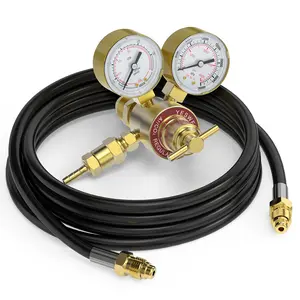
YesWelder Store
4.6
255 sold
$39.99


Related Searches
Related Categories
Introduction
When it comes to TIG welding, choosing the right gas is crucial for achieving high-quality welds. The primary gas used for TIG welding is argon, known for its excellent shielding properties, which prevent oxidation and contamination during the welding process. Often, welders may also use a mix of argon and helium to enhance the heat input and penetration, especially for thicker materials. Understanding the importance of gas for TIG welding can significantly impact the quality of your welds.
Here are some key points to consider when selecting gas for TIG welding:
Using the right gas for TIG welding not only improves the aesthetic quality of your welds but also enhances their strength and durability. Proven quality and customer-approved, the right gas choice can make all the difference in your welding projects. Regularly updating your knowledge about gas for TIG welding is essential to stay competitive and ensure optimal results.
Here are some key points to consider when selecting gas for TIG welding:
- Argon: The most commonly used gas, ideal for most welding applications.
- Helium: Provides deeper penetration and is often mixed with argon for specific applications.
- Gas Purity: Ensure you use high-purity gases to avoid contamination.
- Flow Rate: Adjust the flow rate according to your welding environment to maintain effective shielding.
Using the right gas for TIG welding not only improves the aesthetic quality of your welds but also enhances their strength and durability. Proven quality and customer-approved, the right gas choice can make all the difference in your welding projects. Regularly updating your knowledge about gas for TIG welding is essential to stay competitive and ensure optimal results.