difference between isolate and whey
Isolate and whey are both types of protein supplements derived from milk. Whey protein is a complete protein that contains all essential amino acids, while isolate refers to a more purified form of whey protein with less fat and lactose.
Featured brands
Authenticated productsVerified shops


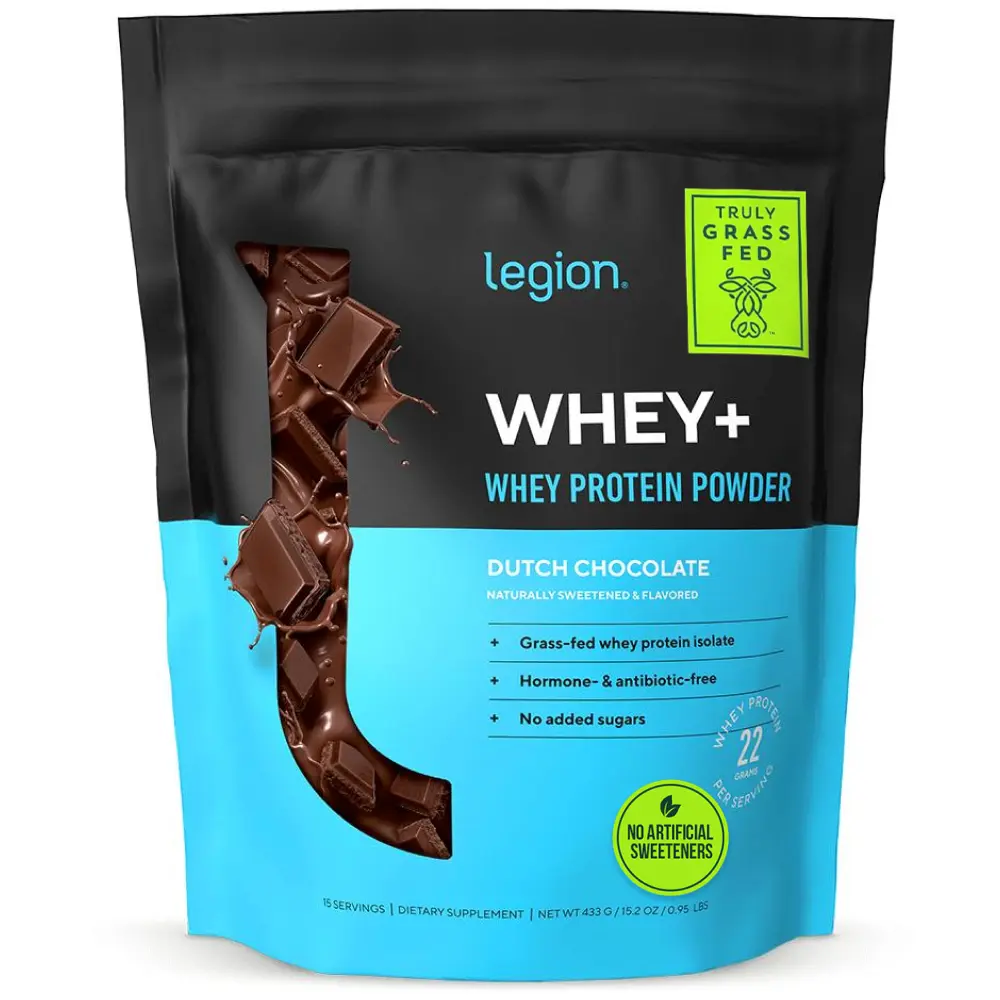
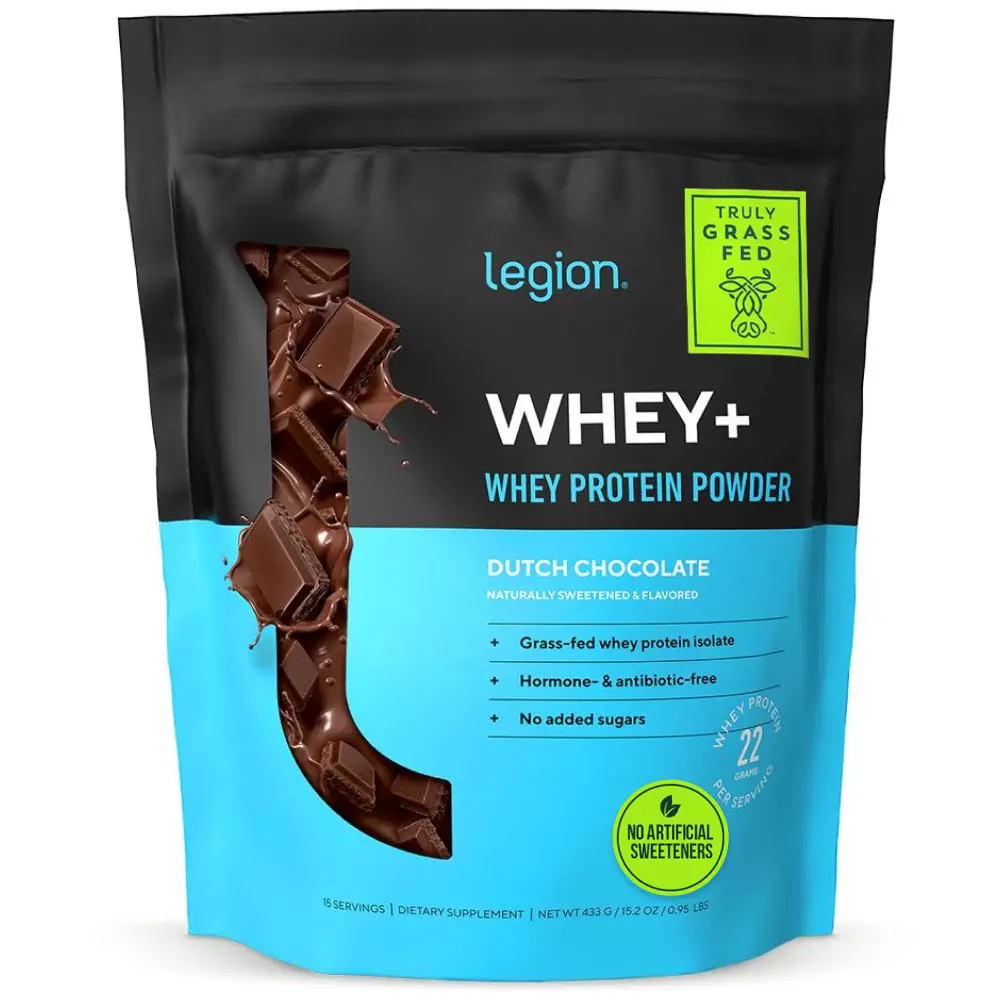


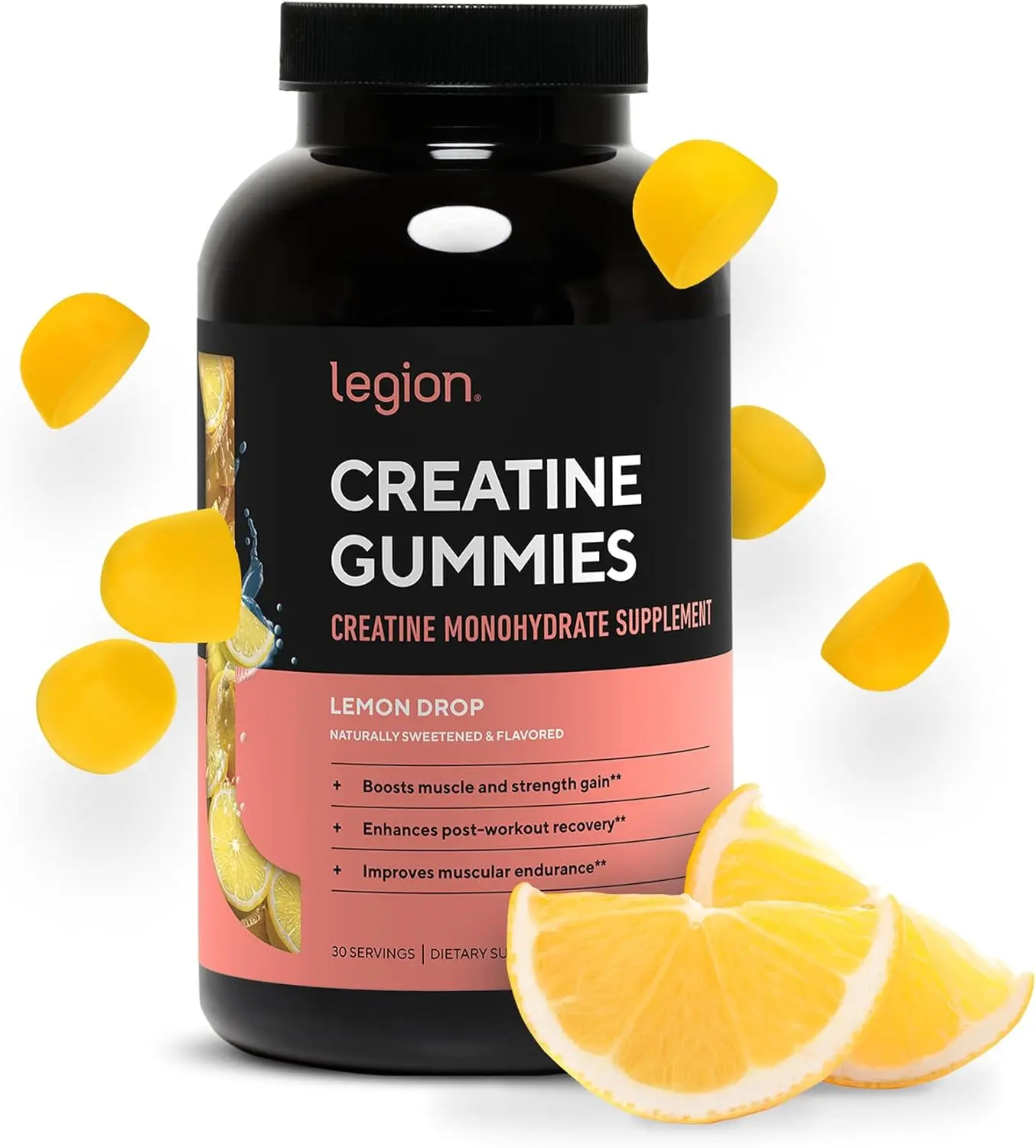


Legion Supplements

4.7
7.0K sold
$39.99

Optimum Nutrition Shop
5.0
148 sold
$259.98


Transparent Labs

4.5
159 sold
$59.99


![Insane Labz Insane ISO [60 svgs] Premium Whey Isolate](https://p16-oec-general-useast5.ttcdn-us.com/tos-useast5-i-omjb5zjo8w-tx/957cb3a828874381ada8299505d6129c~tplv-fhlh96nyum-resize-webp:600:600.webp?dr=12190&t=555f072d&ps=933b5bde&shp=8dbd94bf&shcp=a6e80448&idc=useast5&from=2378011839 "Insane Labz Insane ISO [60 svgs] Premium Whey Isolate")

Optimum Nutrition Shop
4.7
11.4K sold
$148.99

1st Phorm
4.9
1.9K sold
$49.99


Primeval Labs
4.4
1.9K sold
$54.99


Related Searches
Related Categories
Introduction
When it comes to fitness supplements, understanding the difference between isolate and whey protein is crucial for optimizing your nutrition. Both types of protein are derived from milk, but they have distinct characteristics that cater to different fitness goals.
**Whey Protein:** This is a fast-digesting protein that is rich in essential amino acids, making it a popular choice among athletes and fitness enthusiasts. It is known for its ability to promote muscle recovery and growth post-workout. Whey protein comes in various forms, including concentrate, isolate, and hydrolysate.
**Isolate Protein:** On the other hand, isolate protein is a more refined version of whey protein. It undergoes additional processing to remove most of the fat and lactose, resulting in a higher protein content per serving. This makes isolate an excellent choice for individuals who are lactose intolerant or those looking to minimize their calorie intake while maximizing protein consumption.
Here are some key differences:
**Whey Protein:** This is a fast-digesting protein that is rich in essential amino acids, making it a popular choice among athletes and fitness enthusiasts. It is known for its ability to promote muscle recovery and growth post-workout. Whey protein comes in various forms, including concentrate, isolate, and hydrolysate.
**Isolate Protein:** On the other hand, isolate protein is a more refined version of whey protein. It undergoes additional processing to remove most of the fat and lactose, resulting in a higher protein content per serving. This makes isolate an excellent choice for individuals who are lactose intolerant or those looking to minimize their calorie intake while maximizing protein consumption.
Here are some key differences:
- Protein Content: Isolate typically contains around 90% protein, while whey concentrate may contain 70-80% protein.
- Lactose Content: Isolate has significantly less lactose, making it easier to digest for those with lactose sensitivities.
- Price: Isolate is usually more expensive due to the additional processing.
- Flavor and Texture: Whey concentrate often has a creamier texture and richer flavor, while isolate may have a lighter taste.